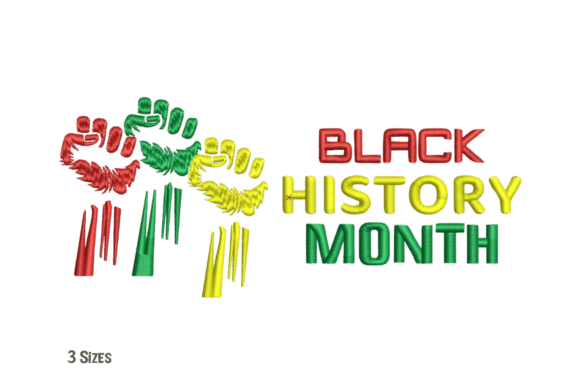
Black History Month Fist Embroidery
A Seasonal Designer’s First Impression
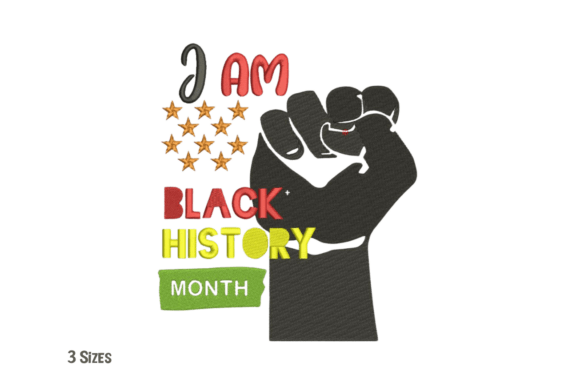
When I opened the Black History Month Fist Embroidery file, I felt immediate resonance—this isn’t just a holiday embroidery design; it’s a statement piece with seasonal gravity. The three raised fists in red, yellow, and green land with quiet power: bold but not aggressive, symbolic but accessible. The “Black History Month” text is clean, legible, and confidently scaled—neither overly decorative nor sterile. Visually, it reads as modern, dignified, and warm—perfect for an inspirational collection that balances celebration with sincerity. It avoids cliché while honoring tradition, making it ideal for customers seeking meaningful seasonal embroidery—not just festive flair.
Real-World Holiday & Seasonal Product Fit
This Black History Month Fist Embroidery shines across high-demand holiday and gifting categories. On heavyweight cotton sweatshirts and oversized tote bags, the design anchors beautifully—its balanced proportions prevent visual crowding, and the color-blocking (red/yellow/green) pops against neutral or deep-tone fabrics. For kitchen towel embroidery and pillow covers, the raised-fist motif adds cultural warmth without overwhelming domestic charm. As a small embroidered patch or apron accent, it communicates intentionality—ideal for curated gift bundles sold by Etsy sellers or craft fair vendors.
It also performs exceptionally well in family-centered product drops: think matching toddler onesies + adult tees, or coordinated baby blankets and bibs. The design’s clarity ensures readability even at 3–4 inches wide—critical for social media previews and printable mockups used in Instagram carousels or email campaigns. And because it’s multi-format, switching between hoop sizes for ornaments, table linens, or pocket-sized patches is seamless—no redesigning needed.
Where to Use Black History Month Fist Embroidery Thoughtfully
While versatile, this Black History Month Fist Embroidery requires mindful application in specific contexts. Avoid placing it on highly curved surfaces like baseball caps unless you’ve confirmed its stitch density supports distortion-free results. On thick terry cloth towels or heavy linen table runners, test stabilizer combinations first—too little and the detail flattens; too much and the texture fights the fabric’s natural drape.
Small hoop sizes (under 4x4”) demand caution: the lettering may lose legibility, and the subtle layering of fist outlines could blur. Likewise, stretchy knit garments require precise tension control and cutaway stabilizer—don’t assume standard settings will hold. Metallic thread? Not recommended here—the design relies on confident color contrast, and metallics can mute the red/yellow/green symbolism. And always verify performance on dark fabric: test thread colors thoroughly, especially the yellow, which can recede without proper underlay or topstitch contrast.
Seasonal Appeal, Emotion & Customer Trust
In holiday shopping periods, emotional resonance drives purchase decisions—and this Black History Month Fist Embroidery delivers authenticity without performative urgency. It elevates handmade gift value by signaling care, cultural awareness, and craftsmanship. Buyers recognize its intentionality, which builds trust—especially among educators, community organizers, and families selecting gifts with purpose. Visually, it stands out in crowded Etsy listings not through flashiness, but through grounded confidence. That distinction translates directly into higher perceived value, repeat engagement, and stronger brand consistency for small shop owners curating seasonal collections around identity, heritage, and shared values.
Because it’s rooted in real celebration—not trend-chasing—it sustains relevance beyond February. Think: year-round classroom décor, inclusive baby shower favors, or embroidered book covers for youth literacy programs. That longevity makes it a smart investment for digital embroidery file buyers building evergreen seasonal embroidery libraries.
Practical Embroidery Designer Notes
Before adding Black History Month Fist Embroidery to your seasonal lineup, run these checks:
- Test thread colors on both light and dark fabric swatches—especially yellow on navy or charcoal.
- Review stitch density in the fist details and text strokes; dense areas may need reduced density or added underlay on delicate fabrics.
- Confirm hoop size compatibility for your target products—e.g., 5x7” works for most pillow covers, but 4x4” may be needed for baby onesies.
- Use appropriate stabilizer: cutaway for knits, tear-away for stable wovens, and fusible + tear-away for towels or linens.
- Create realistic mockups—not just white-background PNGs, but lifestyle shots on actual sweatshirt textures or folded kitchen towels.
- Zoom in post-stitch on final samples: check for stray threads in tight corners and crispness of letter edges.
- Plan complementary color palettes—pair with earth tones, cream, or slate gray for apparel; with terracotta or indigo for home goods.
- Verify commercial licensing before selling finished products—this is essential for Etsy sellers, craft fair vendors, and apparel decorators using the design in resale items.
Final Thoughts for Seasonal Creators
The Black History Month Fist Embroidery isn’t just another holiday embroidery file—it’s a thoughtful, emotionally intelligent tool for creators who understand that seasonal relevance isn’t about timing alone. It’s about alignment: with values, with customer expectations, and with the quiet power of representation. When placed intentionally on sweatshirt embroidery, tote bag design, kitchen towel embroidery, or embroidered patch applications, it transforms functional items into keepsakes. For small business owners and handmade gift makers, it offers both heart and hustle—a rare balance in today’s market. Use it with respect, test it rigorously, and let its strength speak clearly in every finished product.