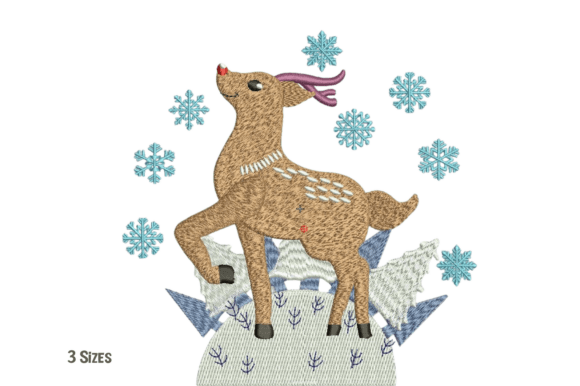
Snow Sunshine Machine Embroidery Design
First Impression: Warm Contrast in a Winter Palette
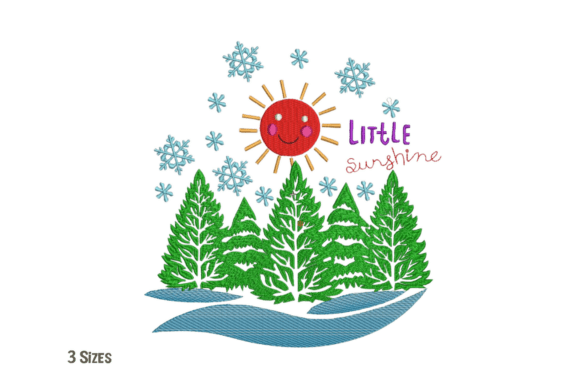
As an embroidery designer who’s prepped over 200 craft fair booths, I’ll say it straight: Snow Sunshine Machine Embroidery Design lands with cheerful intention. The title alone evokes contrast—sunshine against snow, warmth against chill—and the description confirms it: a radiant sun, fluffy snowflakes, and lush pine trees. It’s not stark winter minimalism or rustic lodge cliché. It’s festive but grounded, cute but not cutesy, and quietly modern-farmhouse. That balance is gold at craft fairs, where shoppers scan tables in under three seconds. This design doesn’t shout—but it *lingers*. It feels handmade, intentional, and emotionally resonant: cozy optimism for cold months.
Where It Shines on Craft Fair Products
Not every embroidery file translates equally across substrates. Here’s how Snow Sunshine Machine Embroidery Design performs where it counts:
- Tote bag design: Ideal as a centered chest or lower-corner accent. The sun anchors the composition; snowflakes and pines add movement without clutter. Works beautifully on natural canvas or oatmeal linen—fabric texture enhances the “handmade” feel without swallowing detail.
- Apron embroidery: A standout on the pocket or bib. The scale reads clearly from a distance, and the cheerful motif aligns perfectly with kitchen joy—think holiday baking, hot cocoa season, or farmhouse-style gifting.
- Tea towel embroidery: Highly effective when placed near the top hem or corner. On textured terry or waffle-weave towels, the sun’s radiating lines hold up well—if stitch density isn’t excessive (more on that below).
- Embroidered patch: Strong candidate for iron-on or sew-on patches. Clean outer shape and balanced elements mean it cuts and finishes cleanly. Great for bundling with pins or mini gift sets.
- Caps and curved surfaces: Proceed with caution. The pine tree height and sun rays may compress or distort on low-profile caps unless digitized with curve compensation. Test first.
- Pillow covers & small pouches: Excellent focal point. At 3–4" wide, the design retains charm and legibility. Perfect for holiday gift tables or boutique shelf displays.
What Makes It Sell—And What Requires Care
This isn’t just about prettiness—it’s about product readiness. Snow Sunshine Machine Embroidery Design has strong booth appeal because it’s instantly readable, emotionally warm, and seasonally specific without feeling dated. Customers at handmade markets connect with its duality: snow + sunshine = resilience, hope, quiet joy. That resonance lifts perceived value—shoppers pay more for pieces that tell a subtle story.
But real-world production demands attention:
- Dense stitch areas: Radiating sun rays and layered pine branches can create high stitch density. On thick fabrics (like denim totes or quilted pouches), this risks puckering or thread breakage. Use cutaway stabilizer and reduce speed during testing.
- Tiny details: “Fluffy snowflakes” suggest fine fill or satin stitches. At smaller sizes (<2.5"), they may blur—especially on dark fabric or textured tea towels. Confirm clarity in your target size before batch production.
- Fabric texture matters: Waffle-weave, terry cloth, and bouclé all diffuse fine lines. If your tea towel embroidery looks “soft” in mockups, it likely will in person—lean into that warmth, but don’t expect razor-sharp edges.
- Thread colors: The design begs for contrast: golden yellows against navy, cream, or charcoal; icy blues and silvers for snow; forest greens for pines. Avoid muddy mid-tones—they mute the sunshine effect.
Practical Designer Notes Before You Stitch
I’ve seen too many Etsy sellers rush into production only to discover licensing gaps or hoop-size mismatches. Before turning Snow Sunshine Machine Embroidery Design into a craft fair product:
- Test the machine embroidery design on scrap fabric matching your final product—same weight, weave, and dye lot.
- Check thread contrast on both light and dark bases. A printable mockup helps, but nothing replaces stitching.
- Review spacing between sun rays and snowflakes. Tight gaps can merge in dense fill—adjust if needed for clarity.
- Confirm hoop size compatibility. Is it optimized for 4x4, 5x7, or larger? That affects your tote bag layout and pillow cover placement.
- Inspect stitch density visually—not just in software. High-density fills heat up needles and strain home machines.
- Use the right stabilizer: cutaway for stretchy or heavy fabrics; tear-away for stable linens and cottons.
- Create at least one real mockup—stitched, pressed, and photographed in natural light. Compare it side-by-side with your digital preview.
- Compare fabric colors in person. Screen whites lie. That “cream” background may read beige or ivory under booth lighting.
- Verify commercial embroidery rights. If you’re selling finished products (not just the digital embroidery file), confirm your license permits resale of physical goods.
Final Thought: A Reliable Winter Workhorse
Snow Sunshine Machine Embroidery Design isn’t flashy—but it’s reliable. It fits seamlessly into a cohesive winter collection without demanding spotlight treatment. For the Etsy seller juggling five product lines, the small shop owner curating a boutique shelf, or the craft fair veteran refreshing their booth rotation, this design delivers consistent visual appeal, emotional connection, and production flexibility. It photographs well for listings, scales smartly across formats, and reinforces handmade quality when stitched with care. In short: it’s the kind of embroidery file that sells not because it’s loud—but because it feels like coming home on a frosty morning. Just remember: test, adjust, and trust your eye over the screen. Your customers will feel the difference in every stitch.