Wildflowers Embroidery: A Seasonal Designer’s Review
First Impressions: Rustic Charm Meets Holiday Warmth
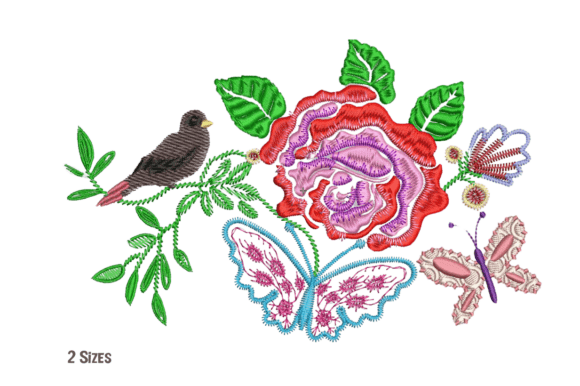
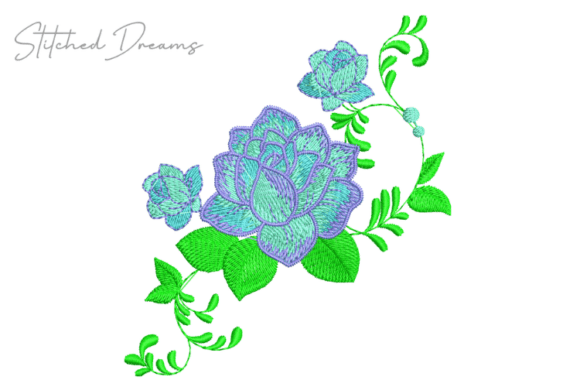
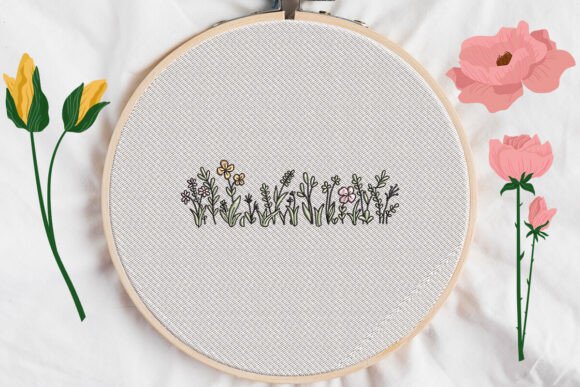
Opening Wildflowers Embroidery feels like stepping into a sun-dappled meadow in late spring—soft, unhurried, and quietly joyful. As a designer who builds seasonal collections for real holiday shoppers, I immediately sensed its emotional versatility: it’s not overly festive, yet deeply gift-ready; not fussy, but undeniably premium. The design leans into rustic romance with gentle curves, organic spacing, and a balanced mix of delicate stems and open blooms—no tight clusters or aggressive symmetry. It avoids looking “clip-art” or dated, which is critical when your Etsy seller audience is scrolling past thousands of digital embroidery files before breakfast.
This isn’t just another single flower—it’s a curated botanical moment. That distinction matters during holiday planning: customers don’t buy flowers; they buy feelings—nostalgia for summer picnics, tenderness for new parents, calm for overwhelmed hosts, or quiet elegance for wedding-adjacent gifts. Wildflowers Embroidery delivers that tone across seasons, making it ideal for spring showers, Mother’s Day, bridal showers, autumn table linens, and even subtle Christmas gifting (think linen napkins with embroidered corners or velvet pillow covers beside the tree).
Where It Shines: Real-World Holiday Product Uses
Wildflowers Embroidery adapts beautifully to high-demand holiday formats—especially when paired with thoughtful product strategy:
- Sweatshirt embroidery: Works elegantly on raglan sleeves or chest placements—soft enough for family matching sets, substantial enough to read clearly at craft fair distances.
- Tote bag design: Stitches cleanly on canvas and cotton duck; the open composition prevents crowding, letting fabric texture breathe around each bloom.
- Kitchen towel embroidery: Ideal for corner or lower-hem placement—its airy layout avoids visual weight, keeping towels light and functional while feeling handmade.
- Pillow cover & cushion embroidery: Translates well to both linen and cotton blends; the natural scale fits standard 16”–20” covers without needing resizing.
- Embroidered patch: Clean outlines and moderate stitch density make it stable for iron-on or sew-on applications—perfect for holiday aprons, baby bibs, or personalized gift tags.
- Personalized gift: Pair with monogrammed initials or a short sentiment (“Gather Joy”, “Grow Wild”) for elevated handmade gift bundles that photograph beautifully on Instagram and Etsy listings.
For small shop product launches, Wildflowers Embroidery supports strong visual recognition—its shape is distinctive but not overwhelming, helping your brand stand out in crowded marketplaces without sacrificing cohesion. It also lends itself well to printable mockups and social media previews: soft lighting, neutral backdrops, and linen textures amplify its warmth without heavy editing.
Where to Proceed Thoughtfully
No machine embroidery design is universally foolproof—and Wildflowers Embroidery rewards intentionality. Here’s where careful planning pays off:
- Hoop size: Confirm the file’s native hoop requirements before nesting multiple designs on sweatshirts or table linens. Overcrowding diminishes its organic charm.
- Fabric texture: On thick terry cloth or dense quilting cotton, test stabilizer layers first—too little causes puckering; too much dulls petal definition.
- Dark fabric: Always test thread colors on black or navy garments. Some floral palettes fade visually; consider matte rayon or tonal variegated threads for depth.
- Stretchy garments: Use cutaway + tear-away stabilizer combo for tees and baby onesies—this design’s flowing lines can distort if stabilization slips.
- Metallic thread: Not recommended for fine stems or tiny buds—opt for high-sheen polyester instead to preserve detail and durability through repeated washing.
- Curved surfaces: Avoid caps or mugs unless the file includes a specifically adapted version—standard Wildflowers Embroidery is optimized for flat or gently contoured textiles.
Design Notes Every Seasonal Seller Should Follow
As someone who’s shipped holiday collections since 2013, here’s my checklist before adding Wildflowers Embroidery to a live product line:
- Test stitch density on both light and dark fabric—look for thread buildup near overlapping stems.
- Verify commercial licensing terms before listing finished products on Etsy or wholesale platforms.
- Create realistic mockups—not just white backgrounds—show it on oatmeal linen, heather grey sweatshirts, and unbleached cotton totem bags.
- Review small details after stitching: do the stamens hold? Are leaf tips crisp? If not, adjust top tension or needle size.
- Plan a cohesive color palette: sage, terracotta, oat, and slate work year-round and pair effortlessly with holiday neutrals.
- Confirm file compatibility with your machine—since Wildflowers Embroidery comes with multiple embroidery file formats, choose the one matching your software and hardware for clean imports.
Why This Design Builds Trust—and Sales—During Holiday Seasons
Wildflowers Embroidery doesn’t shout. It invites. That subtlety builds customer trust: shoppers recognize craftsmanship over clutter, authenticity over algorithm-chasing trends. When used on a personalized gift or limited-edition kitchen towel set, it signals care—not just decoration. For Etsy sellers and small business owners, that translates directly to higher perceived value, better reviews, and repeat buyers who return each season for “that calm wildflower look.”
It also supports brand consistency without locking you into one aesthetic: layer it with minimalist typography for modern holiday cards, pair it with burlap ribbon for rustic gift wrapping, or frame it in a vintage embroidery hoop for social media storytelling. In a market saturated with glitter and loud motifs, Wildflowers Embroidery offers grounded, giftable elegance—season after season.